
One year after Elon Musk started An unprecedented attempt To eliminate large swaths of the federal government, newly released videos provide an unprecedented look at two of the people responsible for the largest mass termination of federal grants in the history of the National Endowment for the Humanities.
According to affidavits and other materials released as part of a civil lawsuit related to funding cuts, the Department of State Efficiency (DOGE) relied on ChatGPT to identify more than $100 million in diversity, equity, and inclusion (DEI)-related grants that were subsequently canceled.
When President Donald Trump returned to office last January, he empowered Musk to cut federal spending as a key advisor to the newly created DOGE. Within days, all agencies were directed to furlough DEI staff and related programs were closed.
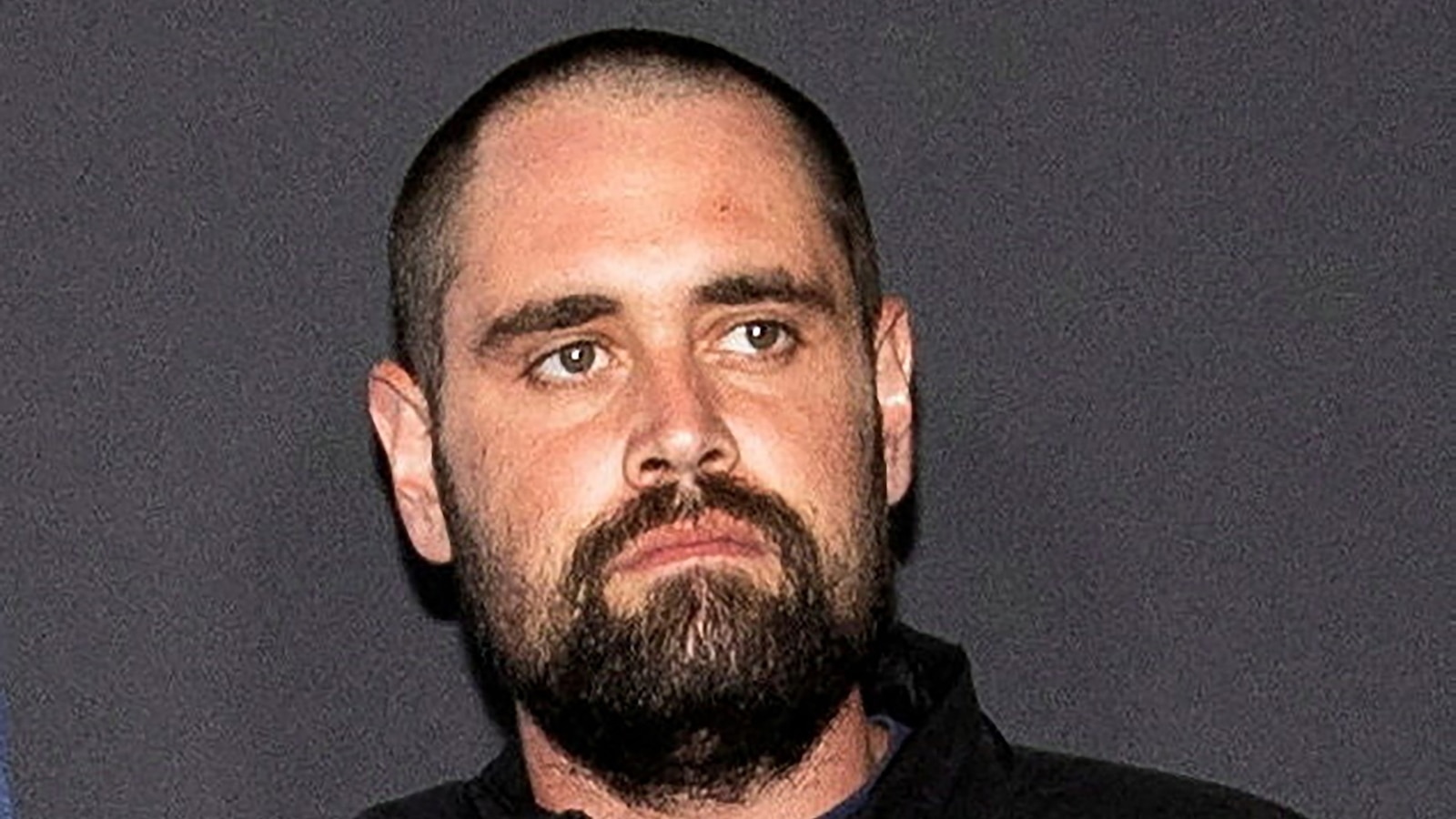
Nathan Kavanaugh talks about Department of Government Efficiency (DOGE) cuts during a January 23, 2026 deposition.
American Council of Learned Societies, American Historical Association, and Modern Language Association.
In lengthy depositions, two DOGE staffers — Justin Fox and Nate Kavanaugh — defended efforts to trim “useless agencies” as part of DOGE’s attempt to reduce the federal deficit.
“Don’t you regret that people may have lost important income…to support their lives?” One of the lawyers asked Kavanaugh about canceling the grant.
“No. I think it was more important to reduce the federal deficit from $2 trillion to nearly zero,” Kavanaugh said.
“Did you reduce the federal deficit?” The lawyer asked.
“No, we didn’t,” Kavanaugh said.
With backgrounds in technology and finance, neither man had worked in government before joining DOGE last year. Kavanaugh said they originally determined which grants could be reduced based on whether they included certain words — such as “DEI, DEIA, Equity, Inclusion, BIPAC, LGBTQ” — though the final decision on cuts was up to the head of the individual agencies.
“Do you think it is in any way inappropriate for someone in their 20s with no experience with federal government grants to be making personal decisions about which grants should be eliminated?” The lawyer asked.
“No. I don’t think that’s inappropriate,” Kavanaugh said, arguing that he does not need formal education or experience to make informed judgments.
“You supposedly read some of these books that would have told you how to cancel a grant based on DEI,” the lawyer asked.
“I didn’t read a book on how to tell if a grant includes DEI. I read the actual description of the actual grant,” Kavanaugh said.
Instead, they turned to OpenAI’s ChatGPT to help vet thousands of grants awarded by the National Endowment for the Humanities, Fox said.
According to court filings, the men urged ChatGPT to ask: “From the perspective of someone looking to determine DEI grants, does this include DEI? Answer factually in less than 120 characters. · Start with ‘yes.’

Justin Fox discusses federal government cuts made by DOGE during his January 28, 2026 filing.
American Council of Learned Societies, American Historical Association, and Modern Language Association.
Fox has been repeatedly pressured by lawyers to explain some funding decisions, such as defunding the Language Center — which has been described as “wasteful and inconclusive spending” — or projects related to black history and civil rights.
“Why show a documentary about DEI Holocaust survivors?” The lawyer asked.
“It’s a gender-based story and it’s inherently discriminatory to focus on this specific group,” Fox said.
According to affidavits and legal documents, the men did not provide a clear definition of DEI or take additional steps to ensure the decisions were not discriminatory — arguing that they were not necessary because the AI programs were not the final decision maker.
“Have you done anything to ensure that ChatGPT’s conception of DEI as applied here will not discriminate based on gender?” one lawyer asked, prompting another objection.
“It doesn’t matter,” Fox said.
DOGE efforts in several federal agencies and departments last year faced opposition and lawsuits, with critics raising concerns about the group’s effectiveness and access to sensitive data.
Both Fox and Kavanaugh defended the funding decisions, saying the cuts were necessary to reduce the deficit, even though they never achieved their goals.
“Did you find it difficult to be, alongside Nate, on the shortlist of finishing projects that got words like black, gay, LGBTQ+?” one lawyer asked, prompting an objection and a follow-up question.
“We were identifying wasteful spending in the government based on the administration’s guidance. That was the main reason we were there, to find savings,” Fox said, though he acknowledged the deficit never went down.
Their work in cutting grants from the National Endowment for the Humanities was memorialized in a social media post by DOGE, which pledged that any future grants would be “merit-based and awarded to non-DEI, pro-American causes.”
According to the affidavits, some of the money saved was spent on the National Garden of American Heroes, a sculpture park commemorating the 250th anniversary of the country’s founding.