
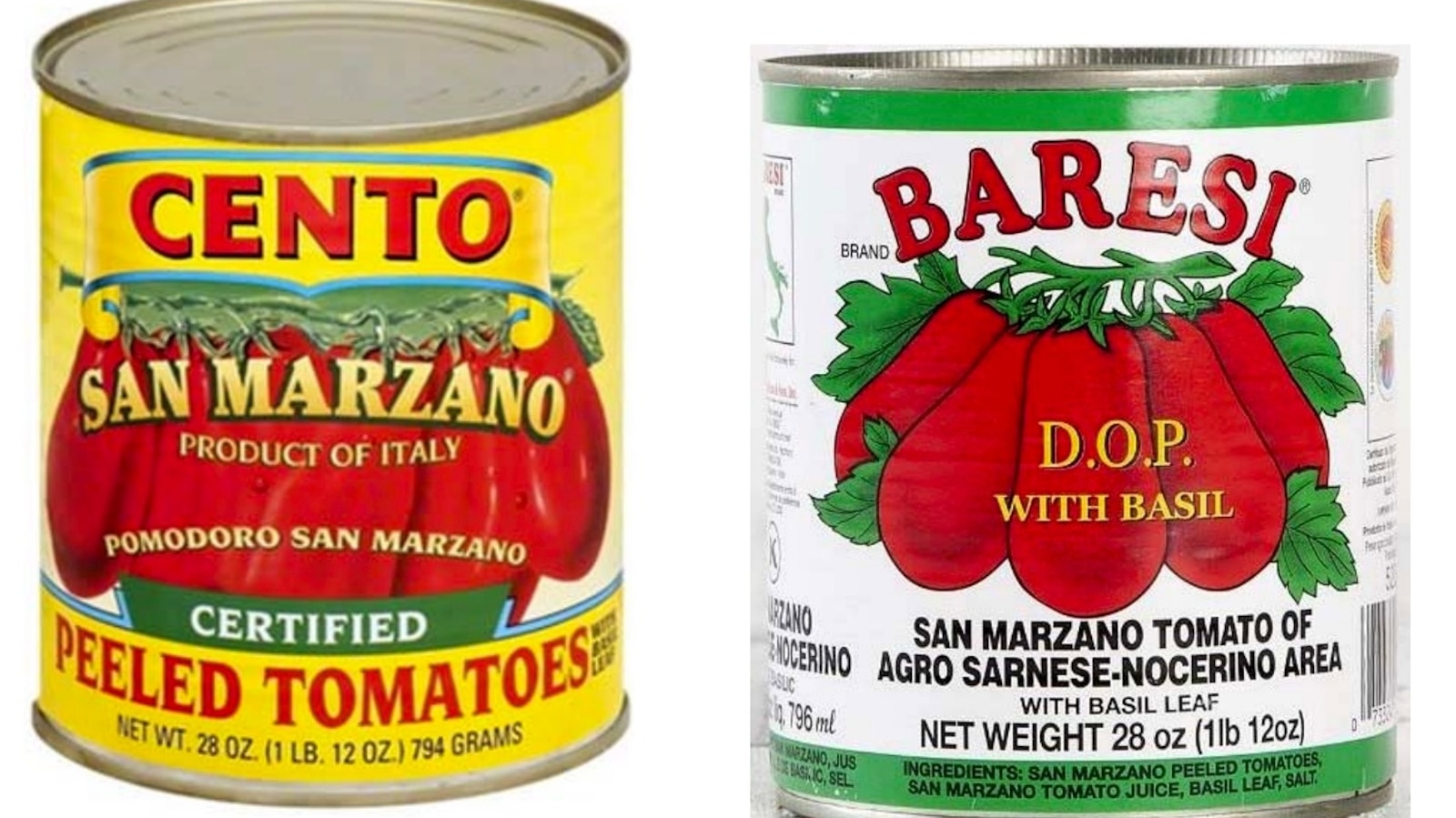
A proposed class action lawsuit filed in California on Monday alleges “tomato fraud” by popular Italian food distributor Cento Fine Foods.
The lawsuit, filed by two California residents, alleges that the company illegally and falsely labels its tomato products as having San Marzano certification. tomatoes.
Sento denied the allegations and described the allegations as baseless.
San Marzano tomatoes are a variety of plum tomato that originated in the Campania region of Italy and are known for their intense, sweet flavor. The lawsuit alleges that the tomatoes in Cento’s San Marzano tomato products are inauthentic and of lower quality than Ferrari or Prada canned tomatoes, citing a blog post on Martha Stewart website Description of tomatoes.
“Defendant’s marketing and description of Cento San Marzanos tomatoes as certified San Marzano tomatoes is false, misleading, and unfair,” the lawsuit states. “It lacks the taste, consistency and other physical characteristics associated with consumer certified San Marzano tomatoes.”
San Marzano tomatoes have protected status – “DOP” or “Denominazione d’Origine Protetta” – in the European Union, as do other region-specific commodities including Champagne and Parmesan cheese.
An independent association, Il Consorzio di Tutela del Pomodoro San Marzano DOP, regulates the sale of tomatoes to ensure they are grown in the right area using the right techniques.
Centos Fine Foods is being sued over its marketing of tomatoes.
US District Court for the Northern District of California
The consortium’s website details the classification of San Marzano tomatoes, which it describes as “cultivated exclusively in the Sarnese-Nocerino region,” having an “elongated cylindrical shape” and “intense red color with yellow shades.”
Real San Marzano tomatoes need to be certified by the consortium, according to the lawsuit, which claims Cento products lack the necessary certifications to be considered real San Marzano tomatoes.
Cento said it voluntarily stopped requiring certification from the consortium in the 2000s due to labeling requirements, although the lawsuit claims the removal was related to an investigation into “counterfeit DOP labeling.”
The lawsuit cites Cento’s product labels, alleging that the company created “the false impression that it contained DOP-certified San Marzano tomatoes of similar quality.”
In a statement to ABC News, lawyer Cento Fine Foods said the lawsuit was “completely without merit” and pledged to “vigorously defend this claim.”
“We believe this claim is completely without merit. We have previously successfully defended a similar lawsuit in federal court in New York and will vigorously defend this claim as well, including demanding immediate dismissal,” the statement read.
The lawyer declined to comment further, citing the pending lawsuit.
The New York case referenced in the statement refers to a similar lawsuit against Cento It was rejected by a federal judge in 2020. That lawsuit alleged that Cento was selling unknowing customers an “inferior” product — third-party certified San Marzano tomatoes — and that customers would not pay for Cento products if “[knew] The truth about them.
The judge in that case wrote that a “rational consumer” would be unlikely to look for “union-certified” San Marzano tomatoes rather than those that meet the same standards but have been certified by a different body.
Cento has argued in the past that its San Marzano tomatoes are grown in the correct region of Italy, is used The correct methods, and obtain their certification from a different third party.
“At Cento Fine Foods, we take nothing more seriously than the quality and safety of our products,” the company said in a 2019 statement. “We take pride in the fact that our labels accurately describe the products inside. Cento is a brand that consumers can trust.” statement Response to the New York lawsuit.
The lawsuit was filed this week by two shoppers in California who estimated they bought more than a dozen cans of Cento tomatoes. The proposed class action asks a judge to award more than $25 million to consumers who were allegedly defrauded.
“Plaintiffs would never have purchased the Cento San Marzanos, especially at its premium price, if they had known it was inauthentic, and indeed illegal, in Italy, the home of the San Marzano tomato,” the lawsuit states.